
Last updated October 31, 2026
The Complete ADU Builders Guide for Laguna Hills Homeowners
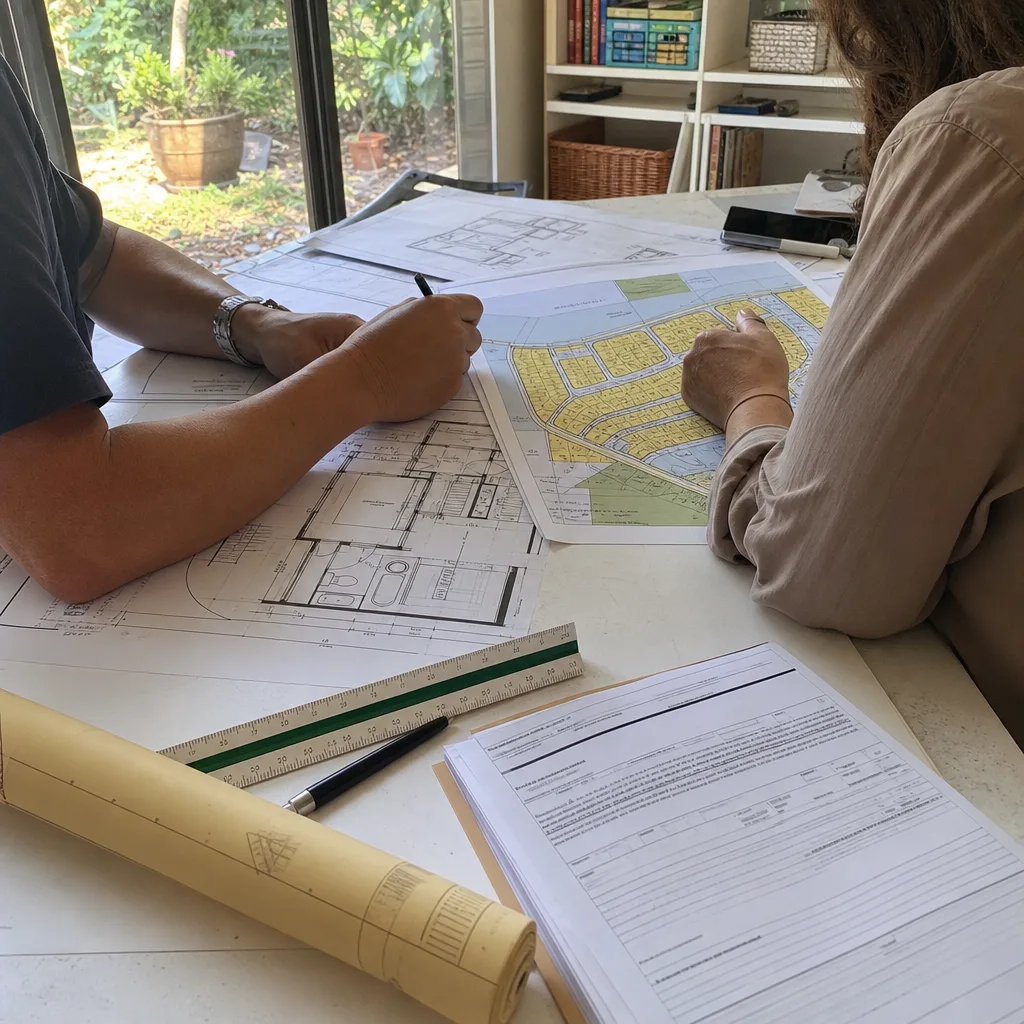
Most Laguna Hills homeowners never ask the one question that determines how their entire ADU project will unfold: which government actually has jurisdiction over their parcel. Laguna Hills is a patchwork of incorporated city land and unincorporated Orange County pockets, a legacy of how this part of south Orange County developed. The distinction changes setback rules, permit fees, inspection timelines, and even which forms you file before a single shovel hits the ground. This guide walks through that split, how your specific lot type shapes what you can build, what HOAs can and cannot do, realistic timelines, and an honest full-cost picture so you can plan without surprise add-ons. For deeper reading, see The Complete Guide to ADU in Laguna Hills.
Quick Answer
Building an ADU in Laguna Hills typically costs $180,000 to $420,000 all-in, depending on whether you choose a prefab system like Mighty Buildings or Boxabl or a conventional site-built unit. The first step is confirming whether your parcel falls under City of Laguna Hills or unincorporated Orange County jurisdiction, because that single fact changes which fees, setbacks, and inspection timelines apply. Working with an ADU specialist who handles both the structure and the interior kitchen and bathroom finishes eliminates the coordination nightmare between manufacturer and contractor.
Table of Contents
- Understanding the Laguna Hills City vs. County Jurisdiction Split
- How Your Lot Type in Laguna Hills Shapes ADU Placement and Size
- The HOA Variable: What Laguna Hills HOAs Can and Cannot Control
- Site-Built vs. Prefab ADUs: Timelines and Trade-offs for Laguna Hills
- A Realistic Full-Cost Breakdown: Permits to Finished Kitchen and Bath
- Utility Connection Realities in Laguna Hills
- How to Choose an ADU Builder for Your Laguna Hills Project
- Common Mistakes to Avoid
- When to Call a Professional
- Frequently Asked Questions
- The Bottom Line
Understanding the Laguna Hills City vs. County Jurisdiction Split
The City of Laguna Hills incorporated in 1991, but the incorporation did not sweep every parcel into city limits. Several pockets and edge areas remained unincorporated Orange County territory, and some neighborhoods with Laguna Hills mailing addresses are actually served by county planning departments. This matters because the two jurisdictions apply different ADU standards, different fee schedules, and different review timelines.
City of Laguna Hills: The city has adopted the state’s default ADU regulations with minimal additional local restrictions. Permit fees are set by the city’s fee schedule, plan review typically runs 30 to 60 days, and inspections are handled by city building inspectors. The city’s planning department is small, which means staff can be responsive but also stretched thin during permit surges.
Unincorporated Orange County: If your parcel falls outside city limits, Orange County’s planning division handles your ADU application. County fees differ from city fees, and inspection scheduling runs through the county’s system. Some county parcels in the Laguna Hills area sit within specific plan districts with slightly different setback language.
How to check your jurisdiction: Here is the step-by-step process we walk every client through before we pull a single permit.
- Go to the Orange County Assessor’s parcel lookup tool and enter your address.
- Look for the “Tax Rate Area” or “Jurisdiction” field on your parcel record.
- If it says “City of Laguna Hills,” you are in the city. If it says “Unincorporated” or “Orange County,” you are under county jurisdiction.
- Call the planning counter to confirm: City of Laguna Hills Community Development at (855) 360-9836, or Orange County Planning at (855) 360-9836.
- Ask specifically about ADU setback requirements for your zoning district before you begin design work.
We have seen projects in Laguna Hills delayed by months because the homeowner assumed the wrong jurisdiction and submitted plans to the wrong agency. The fix is simple, but the delay is not. Verify this first, before you spend a dollar on design.
How Your Lot Type in Laguna Hills Shapes ADU Placement and Size
Laguna Hills has a distinct lot typology compared to the flatter parts of Orange County like Tustin or Irvine. Understanding which category your property falls into changes both the maximum ADU size and the best placement strategy.
Hillside lots: A large share of Laguna Hills homes sit on sloped terrain, particularly in neighborhoods like Nellie Gail Ranch and the areas east of Moulton Parkway. Hillside lots trigger additional grading considerations, retaining wall requirements, and sometimes geological review. An attached ADU that works with the slope (built into the hillside on a lower level) often clears the entitlement process faster than a detached unit that requires significant cut-and-fill. Setbacks measured from property lines still apply, but slope easements can shrink the buildable envelope. Budget an extra $15,000 to $40,000 for grading and retaining wall work on steeper parcels.
Interior lots: These are the typical mid-block lots in communities like Aliso Viejo border areas and the residential grid west of the 5 freeway. Interior lots are usually the simplest for ADU placement. A detached ADU in the rear yard of a 6,000 to 8,000 square foot lot can typically reach the state maximum of 1,200 square feet if the lot dimensions allow a 4-foot rear and side setback. The main constraint is usually the distance between the primary residence and the rear property line.
Corner lots: Corner parcels in Laguna Hills face two street frontages, which means two front setbacks. This effectively reduces the buildable area for a detached ADU. Corner lots often work better with an attached ADU or a garage conversion that uses the existing setback footprint. We have seen corner lot owners in Laguna Hills save tens of thousands of dollars by converting an existing garage rather than building new, because the foundation and roofline already exist.
Garage conversion consideration: Many Laguna Hills homes built in the 1970s and 1980s have attached two-car garages that convert efficiently into ADUs. The structure already exists, the slab is already poured, and the roof is already weatherproofed. Conversion costs typically run 30 to 40 percent less than new construction because you skip foundation, framing, and roofing.
The HOA Variable: What Laguna Hills HOAs Can and Cannot Control
Laguna Hills has one of the highest HOA densities in south Orange County. Communities like Nellie Gail Ranch, Moulton Ranch, and the various planned developments along Alicia Parkway all operate with active homeowner associations and architectural review committees. Here is what the law actually says, and what it does not.
What HOAs cannot do: California Civil Code Section 4751 prohibits HOAs from banning ADUs outright. An HOA cannot say “no ADUs in this community.” They cannot impose restrictions that have the effect of making an ADU infeasible. They cannot charge unreasonable review fees or create delays that function as a de facto ban.
What HOAs can do: HOAs retain authority over design review matters that are aesthetic and do not conflict with state ADU law. This means your HOA can require that the ADU exterior match the primary residence color palette. They can dictate roofing material type for visual consistency. They can require specific landscaping buffers between your ADU and a neighbor’s view line. They can regulate where a detached ADU sits on the lot as long as the restriction does not effectively prohibit the unit.
Practical reality: We have worked on Laguna Hills ADU projects where the HOA review added four to eight weeks to the timeline. We have also worked on projects where the HOA rubber-stamped the plans in a week. The difference is usually how the initial submittal is packaged. HOAs respond better when the plans show the ADU as clearly consistent with the community aesthetic. If your lot sits in Nellie Gail Ranch, expect additional scrutiny on roofline profile and exterior finish. Budget HOA review time into your schedule from day one, and ask your builder to prepare the architectural package in the format your specific HOA requests. You can also explore DIY vs Professional ADU: The Laguna Hills Homeowner’s Decision Guide to decide how much of the process to handle yourself.
Site-Built vs. Prefab ADUs: Timelines and Trade-offs for Laguna Hills
Laguna Hills homeowners typically choose between two construction paths: a conventional site-built ADU where the structure is framed on your property, or a prefab or modular system built in a factory and delivered in sections. Each approach has a different risk profile for your specific situation.
Site-built ADUs: Traditional stick-frame construction gives you complete design flexibility. Wall placement, window sizes, ceiling heights, roofline details, and interior finishes are all custom. The trade-off is time and weather exposure. A site-built ADU in Laguna Hills typically runs 9 to 14 months from permit approval to final inspection. The early construction phases happen outdoors, which means the summer heat and occasional winter rain can add schedule risk. Site-built also requires more on-site coordination with inspectors, material deliveries, and subcontractors.
Prefab and modular systems: Factory-built ADUs from brands like Mighty Buildings and Boxabl compress the structural timeline significantly. The unit is fabricated in a controlled environment, delivered to your Laguna Hills site, and set on a prepared foundation. A Mighty Buildings panelized system can frame up in days rather than weeks. A Boxabl unit arrives largely assembled and installs in a fraction of the conventional construction time. The prefab advantage is timeline compression and quality control. The trade-off is dimensional constraints: module width is limited by road transport rules, so if you want a 14-foot-wide living room inside a factory-built shell, you may be out of luck.
Utility connection realities: Regardless of construction method, the utility connection timeline in Laguna Hills is similar. Your ADU needs a sewer lateral connection, water service, an electrical subpanel or separate service drop, and in many cases a gas line tied to the existing meter. San Diego Gas & Electric or Southern California Edison (depending on your parcel) and the local water district each have their own scheduling processes. Utility coordination adds 60 to 120 days to every Laguna Hills ADU timeline, and that clock runs regardless of whether your structure is site-built or prefab. A builder who tells you a prefab ADU can be move-in ready in 90 days is quoting the factory schedule, not the Laguna Hills utility schedule.
Foundation prep for prefab: Prefab units still require site preparation, grading, and a foundation system. On a flat Laguna Hills interior lot, this is straightforward. On a hillside lot, the foundation engineering for a prefab unit can be more complex than for site-built because the unit’s load points are fixed by the factory design, not by the site conditions.
A Realistic Full-Cost Breakdown: Permits to Finished Kitchen and Bath
Here is the cost conversation most Laguna Hills homeowners wish they had before signing a contract. These are total price ranges based on projects we have seen in this market, and they include a finished interior with kitchen and bath. These are not builder minimums that balloon into change orders later.
Permits and fees:
- City of Laguna Hills ADU permit fees: $30,000 to $55,000 depending on ADU size and type. This includes building permits, plan check, and impact fees. The city charges school district fees on ADUs over 750 square feet, which is a significant line item.
- Unincorporated county permit fees: $35,000 to $60,000 with similar school fee triggers.
- HOA architectural review fee: $500 to $2,500 depending on the community.
- Grading plan or geological report (hillside lots only): $4,000 to $12,000.
Construction costs by method:
- Garage conversion (attached, existing structure): $140,000 to $220,000 total. This assumes the garage slab is sound and you are not changing the roofline. Includes a full kitchen and bathroom.
- Site-built detached ADU (new construction, 600 to 1,000 square feet): $220,000 to $400,000. The range reflects finish level, lot difficulty, and whether utility extensions cross a long rear yard.
- Prefab or modular detached ADU (Boxabl, Mighty Buildings, or similar): $180,000 to $320,000 total including foundation, utility hookups, delivery, and interior finishing. The prefab premium is lower than marketing suggests when you account for reduced on-site labor time.
- Plant Prefab panelized system (higher-end finish): $250,000 to $420,000. This is the design-forward option for owners who want architect-level detail without a fully custom build.
What often gets left out of the initial quote:
- Utility connection fees: $8,000 to $25,000 depending on trench length and whether your panel needs upgrading from 100 to 200 amps.
- Landscaping and drainage: $5,000 to $15,000 to re-grade around the new unit and handle stormwater runoff in compliance with Orange County requirements.
- Interior window coverings, appliances, and furniture: $8,000 to $20,000 depending on tenant-readiness level you want.
- Architectural or engineering fees if you are doing custom design: $8,000 to $25,000.
The total realistic range for a finished, rentable ADU in Laguna Hills is $180,000 at the absolute floor for a simple garage conversion with budget finishes, up to $450,000 for a custom site-built unit on a hillside lot with premium finishes. Anyone who quotes you below that floor is either excluding something you will pay for later or planning to hit you with change orders mid-project.
Utility Connection Realities in Laguna Hills
Utility work is the silent schedule killer in most Laguna Hills ADU projects, and it does not matter whether you choose a Tuff Shed conversion or a Mighty Buildings panel system. The connection process runs through three or four separate agencies, each with its own calendar.
Sewer: Most Laguna Hills parcels connect to municipal sewer mains via laterals that run from the house to the street. An ADU adds a second sewer connection point, which means either extending the existing lateral or installing a new one. This requires a sewer permit from the city or county, a trench permit if the lateral crosses a public right-of-way, and an inspection after the connection. Budget four to eight weeks for sewer coordination alone.
Water: Depending on your Laguna Hills location, you are served by Moulton Niguel Water District, El Toro Water District, or a smaller mutual water company. Your ADU needs a dedicated water service line or an extension from the main house line. Water districts in this area are efficient but protective of their infrastructure, and they typically require a backflow prevention device on any new residential connection. Budget $3,000 to $8,000 for the water connection work including the district fees.
Electrical: A standard 600 to 800 square foot ADU typically needs a 100-amp subpanel. If your main panel is still the original 100-amp unit from a 1970s Laguna Hills build, you will likely need a panel upgrade to 200 amps before the ADU can be energized. This is a $3,000 to $6,000 line item that most initial quotes miss. SDG&E or SCE scheduling for the utility-side connection adds two to six weeks.
Gas: If your ADU will have gas appliances or a gas water heater, you are tying into the existing meter or running a new line. Many Laguna Hills ADU owners are choosing all-electric units with induction cooktops and heat pump water heaters specifically to avoid gas line work, which saves $2,000 to $5,000 and removes one utility agency from the coordination pile.
The lesson we have learned over years of ADU construction in this market: utility scheduling is the one factor no construction method can shortcut. Plan for it, sequence it early, and do not believe a timeline that pretends it does not exist.
How to Choose an ADU Builder for Your Laguna Hills Project
The builder decision is the single biggest determinant of whether your ADU project runs smoothly or becomes a multi-year headache. Laguna Hills has no shortage of general contractors who say they can build an ADU. Here is how to filter them.
Ask about brand access, not just construction experience. A contractor who only builds site-framed ADUs cannot offer you a Boxabl unit even if a Boxabl unit would be the better fit for your lot configuration and budget. A contractor who only pushes one prefab brand cannot give you an honest comparison against a Plant Prefab panel system or a conventional build. The right partner carries a portfolio of options and recommends based on your specific Laguna Hills parcel, not on what they happen to have in inventory. We represent multiple brands precisely because we have seen enough Laguna Hills lots to know that no single product fits every property.
Ask who finishes the interior. Most ADU manufacturers build the shell and stop. The kitchen, bathroom, flooring, and paint fall to a separate contractor the homeowner must find and coordinate. This handoff is where schedules slip and budgets blow. Ask your ADU builder directly: “Do you finish the kitchen and bathroom in-house, or do I coordinate those trades myself?” If they cannot finish the unit’s interior, you are hiring two contractors, not one. Fletcher ADU Builders services include completing kitchen and bathroom finishing in-house, which means the same team that delivered the structure also installs the cabinetry, tile, and fixtures. That is what turnkey actually means.
Ask about exterior durability standards. Laguna Hills gets hot, dry summers and occasional heavy winter rain. The exterior siding choice determines how the unit ages. We specify James Hardie fiber-cement siding on units where wood or stucco would require repainting every five to seven years. It is a material-level decision that costs slightly more up front and pays back over the life of the unit. Ask your builder what siding they specify and why. If they cannot answer with a specific material and a specific reason, keep looking.
Ask about their error recovery process. Every construction project hits some kind of snag, whether it is an HOA design rejection, a utility scheduling conflict, or an inspection correction. The difference between a good builder and a mediocre one is how they handle the snag. Ask for an example of a past project that went wrong and how they fixed it. A builder who cannot give you a straight answer to that question is not someone you want managing a $250,000 build.
Common Mistakes to Avoid
- Assuming your parcel is in City of Laguna Hills without checking. The jurisdiction split is real, and filing with the wrong agency adds months to the timeline. Check the assessor’s parcel record before you do anything else.
- Signing with a builder who only offers one brand. A contractor locked into a single prefab vendor cannot give you an honest comparison. You want a builder with a portfolio, not a sales pitch.
- Forgetting the HOA review timeline. Many Laguna Hills communities have active architectural review committees that meet monthly. If your plans miss the meeting deadline by a day, you wait another month. Submit early.
- Not budgeting for school district fees. ADUs over 750 square feet trigger school facility fees in this region. Those fees are paid at permit issuance and are not optional. A quote that omits them is not a complete quote.
- Choosing the construction method before evaluating the lot. A prefab unit that makes sense on a flat interior lot may be a poor fit for a hillside parcel with slope easements. Evaluate the lot first, then choose the system.
- Co-ordinating the interior finishes yourself. The handoff from structure contractor to finish contractor is where most ADU projects lose six to twelve months. Choose a builder who finishes what they start.
- Underestimating utility connection timelines. No construction method eliminates sewer, water, and electrical coordination. Plan for it in your schedule, not after the fact.
When to Call a Professional
ADU construction is not a DIY project, and it is not even a project for a general contractor who builds one ADU per year. The permitting, utility coordination, HOA navigation, and brand selection involved in a Laguna Hills ADU require specialization. Call a professional before you buy land survey data, before you draw plans, and ideally before you decide anything beyond “I want an ADU.” A conversation with an ADU specialist at the outset saves you from ordering the wrong survey, submitting to the wrong agency, or designing a unit that does not physically fit your lot. Visit our more guides & resources page for additional local insights. Fletcher ADU Builders offers free estimates in Laguna Hills – call (855) 360-9836 to schedule a site walk and get a straight answer about what your specific parcel can support.
Frequently Asked Questions
A finished ADU in Laguna Hills typically costs $180,000 to $450,000 depending on whether you convert a garage, build site-framed new construction, or use a prefab system from a brand like Boxabl or Mighty Buildings. A garage conversion runs $140,000 to $220,000, a prefab detached unit $180,000 to $320,000, and a custom site-built unit $220,000 to $450,000. These ranges include a finished kitchen and bathroom. Call (855) 360-9836 for an exact quote on your specific parcel.
Most parcels with a Laguna Hills mailing address fall within the incorporated City of Laguna Hills, but several pockets remain unincorporated Orange County territory. The two jurisdictions have different fee schedules and permitting processes. Check the Orange County Assessor’s parcel lookup tool and confirm with the appropriate planning counter before you begin design work.
No HOA in Laguna Hills or anywhere in California can legally block an ADU outright. California Civil Code Section 4751 prohibits HOAs from banning ADUs. However, your HOA can require design consistency, specific exterior finishes, and landscaping buffers as long as those requirements do not make the ADU infeasible. Plan for HOA review time in your schedule regardless.
A prefab or modular ADU from a brand like Boxabl or Mighty Buildings typically installs in 4 to 8 months after permits are issued. A site-built ADU runs 9 to 14 months. Utility connections add 60 to 120 days on top of construction time, and that is true regardless of construction method. Plan 12 to 18 months total from initial application to move-in for most Laguna Hills projects.
If your main panel is the original 100-amp unit from a 1970s or 1980s Laguna Hills build, you will likely need a 200-amp upgrade before your ADU can be energized. A typical ADU requires a 100-amp subpanel, which combined with the existing house load exceeds a 100-amp service. Budget $3,000 to $6,000 for the panel upgrade.
Tuff Shed produces accessory structures, and converting one into a legal ADU requires significant additional work: insulation, drywall, electrical, plumbing, and a proper foundation upgrade. The conversion is possible, but the cost often approaches that of a purpose-built prefab ADU from a brand like Mighty Buildings or Boxabl. We can walk you through the real math on a shed conversion versus a purpose-built ADU for your Laguna Hills lot.
The Bottom Line
Laguna Hills is a unique ADU market because of the jurisdiction split, the hillside terrain, the active HOA landscape, and the utility coordination realities that no construction method can shortcut. The homeowners who get the best outcomes are the ones who verify jurisdiction first, evaluate their lot honestly, budget for fees and utilities up front, and choose a builder with a portfolio of options rather than a single product to sell. An ADU is a long-term investment in your property. The right partner treats it like one, from the first site visit to the final cabinet pull. Call (855) 360-9836 to schedule your free estimate.
Written by the team at Fletcher ADU Builders, serving Laguna Hills since 2016.